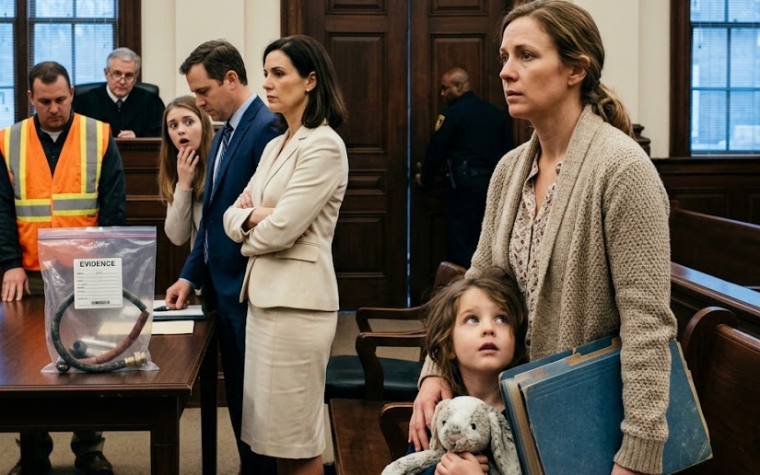
He retained what he could document as legitimately his.
There was no theatrical transfer of everything from one person to another.
There was simply an accounting done in daylight instead of paperwork buried inside a leather folder.
My father’s $35 million estate never entered that fight.
Victoria made certain the assets passed exactly as Arthur Vance had directed: into accounts and holdings controlled solely by me, separate from the company and separate from Julian.
I sold one of the commercial properties months later and kept the others.
I diversified the stock positions.
I created a reserve that had nothing to do with NexaData.
For the first time in years, my financial life did not depend on sharing a password, a board vote, or a spouse’s promise.
The money did not make the betrayal painless.
Nothing could.
There were mornings when I still woke expecting to hear Julian in the kitchen.
I sometimes reached for my phone to send him a joke before remembering that the person I missed was partly someone I had imagined.
The strangest grief was not losing the marriage.
It was losing my certainty about the years before it ended.
I kept asking myself which moments had been genuine.
Eventually I understood that I would never receive an answer precise enough to satisfy me.
So I stopped making my recovery depend on Julian’s explanation.
On the first clear Sunday after the legal settlement was finished, I drove to my father’s grave.
Chicago had finally emerged from weeks of rain.
The grass was still damp, and sunlight reflected from the stone.
I stood there holding the umbrella Julian had reminded me to carry on the morning everything changed.
For a while, I said nothing.
Then I laughed quietly.
“You were right about paperwork, Dad.”
Arthur had not known Julian’s plan.
He had not written his will as a weapon against him.
He had simply been careful.
He had made sure that whatever he left his daughter would remain hers.
That ordinary act of foresight became protection at exactly the moment I needed it.
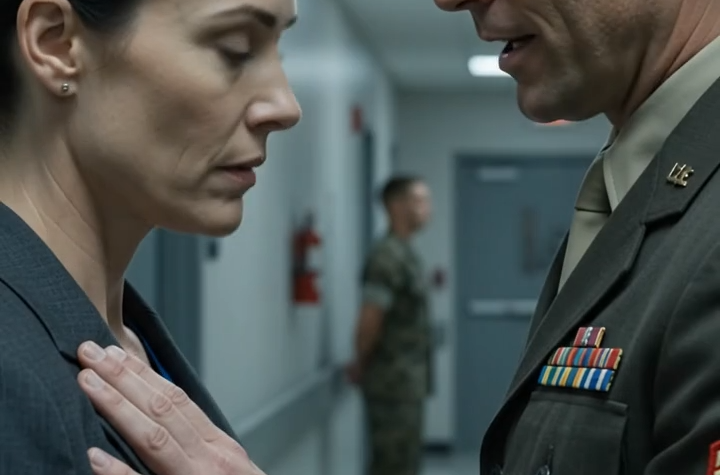
Before I left, I thought about the question Julian had asked me outside the ICU.
Do you really think I would ever hurt you?
At the time, I had answered by signing my name.
Months later, I finally understood the answer I should have given.
Trust is not proven by asking someone to stop looking.
It is proven by giving them nothing to fear when they do.
I went home, opened the drawer where I had placed my wedding ring, and removed the leather folder containing copies of the case.
I kept the documents.
I got rid of the ring.
Not because thirty-five million dollars had saved me.
Because the truth had finally given me back something Julian’s paperwork almost took away.
The right to decide, with my eyes open, what I signed my name to next.