“Then don’t do it.”
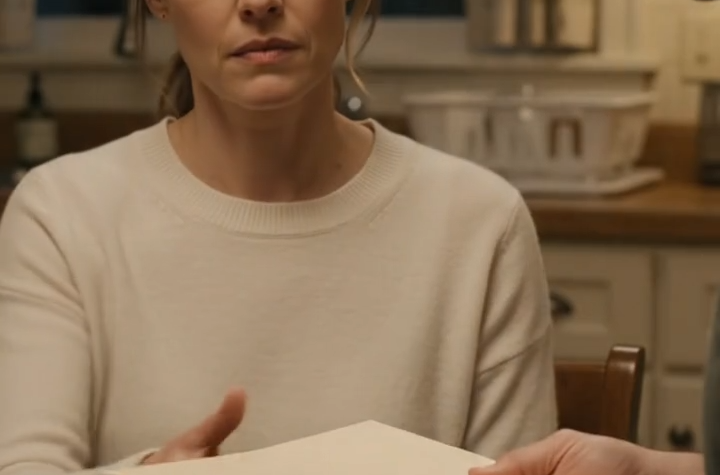
Megan crouched in front of me.
“Emily, listen carefully.
Adults choose what they spend money on.
You are not a bill that happened to me.
You’re my daughter.”
That sentence did something chemotherapy couldn’t.
It began removing a sickness nobody could see on a scan.
I survived leukemia.
Recovery was not cinematic.
There was no single morning when I woke up healed and fearless.
There were follow-up appointments, blood tests, nightmares, missed school days, weakness, and years of watching Megan study my face whenever I said I felt tired.
But eventually hospitals stopped being only places where terrible things happened to me.
They became places where I wanted to work.
I studied relentlessly.
Not because my father had called me average, though for a while anger certainly helped.
Eventually anger became too heavy to carry every day.
What replaced it was purpose.
I remembered the children in treatment rooms who stared at adults the same way I once had.
I remembered what it meant when a nurse pulled up a chair instead of standing over the bed.
By medical school, pediatric oncology felt less like a career choice than a language I already understood.
Megan never pushed me toward it.
She actually worried.
“You don’t owe your past your whole future,” she told me.
“I know,” I said.
“I’m choosing this.”
When I was selected as valedictorian, she screamed so loudly over the phone that I had to pull it away from my ear.
Then she cried.
Then she apologized for screaming.
Then she screamed again.
For two weeks, that was all graduation meant to me.
Then the email arrived about Karen and Richard Parker.
They had identified themselves as my parents and asked for premium seating.
I reread the message until the words blurred.
No apology had preceded it.
No letter during treatment.
No birthday card.
No call when I graduated high school or college.
No attempt to learn whether the daughter they left in a hospital had survived.
Fifteen years of silence, followed by a request for better seats.
I called Megan because I didn’t trust the first emotion that rose inside me.
“Say no,” I told her.
“Tell me to say no.”
She was quiet.
“Do you want them there?”
“I want them to see.”
“Then let them come.”
That was how Karen and Richard ended up in Section A, Row 3.
After the ceremony, I found Megan in the graduates’ reception area.
She reached me before I could say anything and wrapped both arms around me.
For several seconds, I was thirteen again.
Not because I felt afraid.
Because I remembered the first safe place I had found after being abandoned.
“You said too much about me,” she whispered.
“I left out the second mortgage.”
She pulled back and gave me the look that had survived every stage of my adolescence.