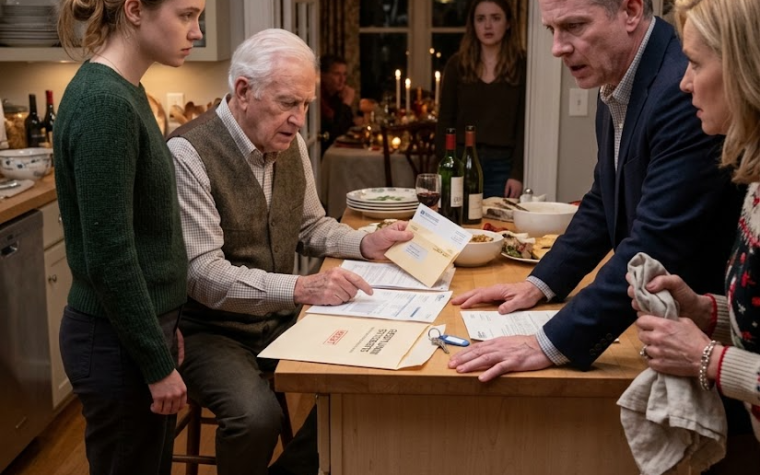
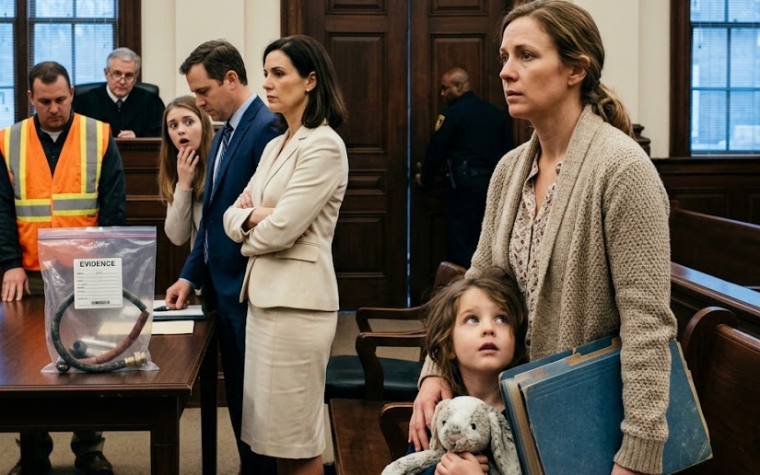
She blamed me publicly.
To relatives, she said I had destroyed her dream over a misunderstanding.
Mom told people the legal system had made a private family dispute worse.
A few relatives believed them.
Others quietly contacted me to say they had lent Kendra money too.
One cousin had never been repaid.
An aunt had covered rent after hearing a story almost identical to the one Kendra told me.
My refusal had not created the crisis.
It had interrupted a pattern.
Mom called several times during the first month.
At first, she asked me to withdraw the report.
Then she asked me to speak at Kendra’s sentencing.
Finally, she asked why I was willing to lose a sister and a mother over something that could be replaced.
I looked at the repaired iPhone sitting on my desk.
The screen had been replaced.
The data had been restored.
The case was new.
But the phone was never the thing I could not replace.
“I’m not losing you over a phone,” I told her.
“I’m stepping away because you watched her steal my identity and expected me to absorb the damage quietly.”
Mom began to say it had been an accident.
I ended the call.
Nearly a year passed before I saw either of them again.
The meeting happened in a therapist’s office, not Mom’s kitchen.
I chose the location because there were rules, witnesses, and an exit I could use without being followed.
Kendra looked smaller without the polished clothes, expensive bracelets, and certainty.
She apologized, but not perfectly.
She still mentioned pressure, fear, and the business.
Then the therapist asked her to apologize without explaining herself.
Kendra stared at the floor for a long time.
“I stole from you,” she finally said.
“I used Mom because I knew she would protect me.
I broke your phone because I saw the alert and wanted more time.
I thought you would forgive me because you always had.”
It was the first truthful thing she had given me.
I accepted that it was true.
I did not offer immediate forgiveness.
Mom struggled more.
She kept returning to her intentions until the therapist asked whether good intentions had prevented harm.
Mom whispered, “No.”
That single word did not repair our family.
It did, however, end the lie that nothing serious had happened.
I maintain limited contact with Mom now.
We meet in public places.
She has no access to my finances, devices, home, or emergency accounts.
Kendra and I exchange brief messages on birthdays, but trust has not returned.
Perhaps it never will.
I no longer measure healing by whether everyone is speaking to one another.
I measure it by whether I can hear my phone ring without wondering who has entered my accounts.
By whether I can say no without preparing a defense.
By whether peace exists because my boundaries are respected, not because my pain has been hidden.
The sound of the phone breaking was ordinary: one hard crack against tile, followed by a scatter of glass.
But it ended something enormous.
It ended the version of me who believed keeping the family together required letting them take pieces of me.
Kendra thought she had destroyed the evidence when she shattered my screen.
Instead, she destroyed the last excuse I had for refusing to look.