“Your grandmother was right about us.”
I kept that letter.
Not because it repaired anything, but because it was the first sentence she had written without trying to rearrange the truth.
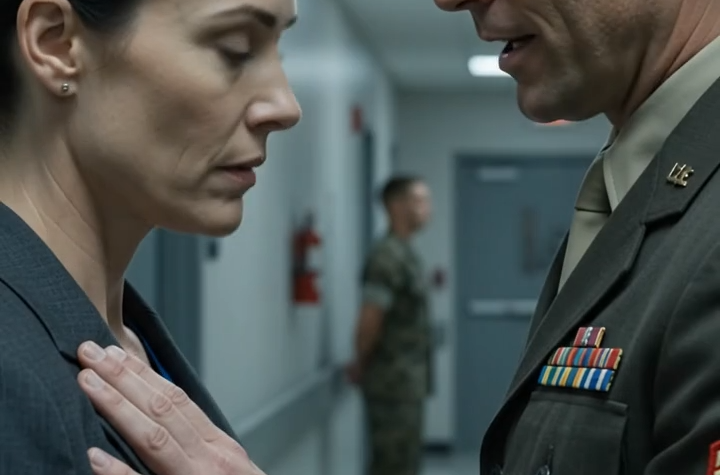
The morning after the party, before the police reports, hearings and lawyers consumed everything, General Cole held my promotion ceremony in the backyard.
Only Margaret, two members of my unit and my grandmother’s photograph were present.
The grass was wet with early sunlight.
The small flag by the porch had been taken down, folded correctly and placed in my hands.
General Cole removed the gold oak leaf from my uniform and replaced it with silver.
“Lieutenant Colonel Bennett,” he said, “your grandmother would have enjoyed making everyone wait for this part.”
I laughed for the first time since coming home.
Later, I renovated the house without changing its shape.
My grandmother’s office became a meeting room for a nonprofit that provided emergency legal assistance to military families targeted by housing fraud.
The guest room became temporary housing for veterans attending medical appointments in Denver.
I kept her photograph on the desk, the cracked glass replaced but the old wooden frame untouched.
Tiffany never returned to the house.
Two years later, she sent a brief message asking whether we could speak.
I agreed to meet her in a public café.
She looked smaller without a camera pointed at her.
She apologized without excuses.
I listened.
I did not promise closeness, forgiveness or a version of sisterhood we had never earned.
But when we left, I gave her Margaret’s number and told her to finish paying the restitution before asking anyone to trust her again.
She nodded.
That was enough for one afternoon.
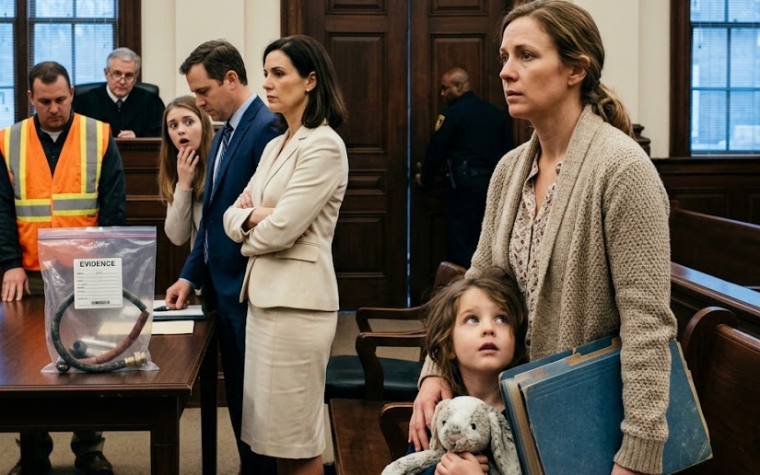
The night the police came, my family believed silence meant I had nothing to say.
They thought a uniform without explanations was unimpressive, a calm face was fear and five years of absence meant I had surrendered my place in the family.
They had misunderstood all three.
I had not returned to prove my importance.
I had returned because the house still held my grandmother’s voice, her careful records and the promise she had made me without my knowledge: that one place in the world would remain safe from people who treated love like ownership.
In the end, the four-star general did not save me.
The deed did not save me either.
They simply gave the truth enough room to be heard.
I was the one who stood still while it arrived.