At me.
I recognized the expression immediately.
It was the same confidence I had fought for twelve years—the assumption that if he could make his version sound reasonable enough, everyone else would eventually accept it.
Only this time he was not talking to our mother in a kitchen or our father on a porch.
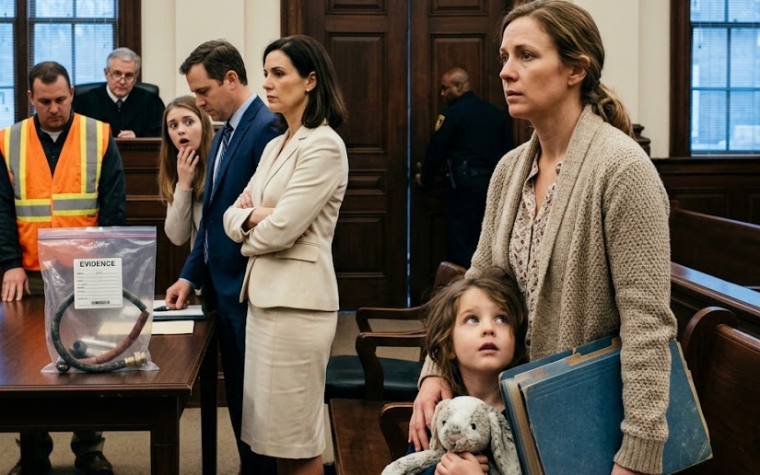
He was inside a military courtroom where claims had to survive records, witnesses, and dates.
The defense presented its case.
Tom chose to address the allegations through the process available to him, insisting there had been pressure to keep operations moving and that he had relied on information from others.
He did not describe himself as dishonest.
Almost nobody does.
He described himself as overloaded.
Misunderstood.
Too trusting of subordinates.
Responsible for a complicated operation where paperwork sometimes followed reality instead of recording it.
Then the prosecutor returned to the unanswered point.
Why certify something as complete after being told it was not complete?
Tom’s explanation became longer.
The truth did not.
By late afternoon, even my parents seemed to understand the difference.
My mother cried quietly during one recess.
My father sat beside her without touching her.
I stayed near the courtroom wall.
Eventually he walked over to me alone.
“We thought he wouldn’t lie about something that big,” he said.
I looked at him.
“You thought I would.”
He lowered his eyes.
There was nothing he could say to make that sentence less accurate.
“I was angry,” he said.
“I thought you were ashamed and making excuses.”
“I stood on your porch in uniform.”
He nodded once.
“I know.”
Again, that terrible word.
Know.
Not forgot.
Not misunderstood.
Knew.
My parents had not lost twelve years because Tom’s lie was perfect.
They lost them because believing him was easier than reconsidering the child they had decided I was.
Tom started the lie.
They helped it survive.
When the court reached its findings on the central falsification allegations, the judge’s language was careful and formal.
The government had established that the records represented work as completed when it had not been completed, and that Tom had certified information he knew was not accurate.
He was found responsible for the core misconduct charged against him.
My mother covered her mouth again.
This time she was not looking at me like a ghost.
She was looking at Tom like a stranger.
The consequences were real.
His military career did not continue as though nothing had happened.
The findings followed him into the sentencing and administrative consequences that came afterward, costing him the trust and position he had treated as if they were permanent.
But the moment I remember most happened after the courtroom emptied.
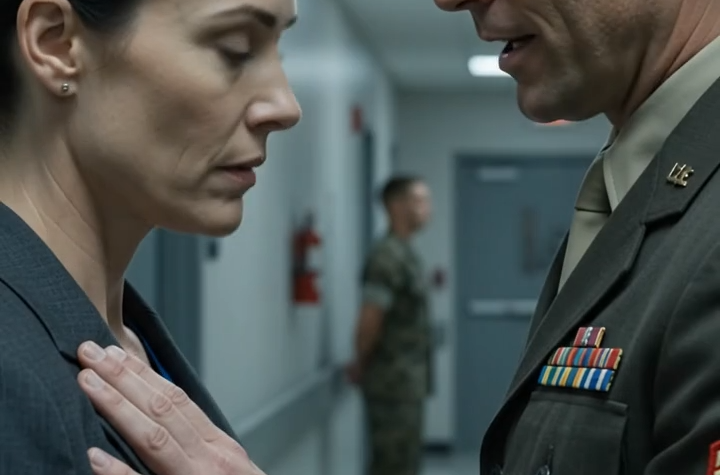
Tom stood in the corridor with our parents.
I was several feet away when my father asked him one last time.
“Why did you tell us she quit?”
Tom looked exhausted now.
The courtroom confidence was gone.